A National Gathering Around Books and Ideas
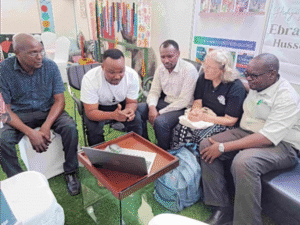
From 21st to 26th November 2025, the National Library grounds in Dar es Salaam came alive as Tanzania hosted its International Book Fair. For six days, the space became a meeting point for ideas, stories, and the people who shape how books are written, shared, and read across the country.
Organized by the Publishers Association of Tanzania (PATA) in partnership with the Tanzania Library Service Board (TLSB), the fair offered valuable insights into the current state of publishing, bookselling, and literary engagement in Tanzania. Publishers, libraries, cultural institutions, and literacy organizations from across the region gathered in one place, collectively shaping conversations around Tanzania’s reading culture.
The Visibility Gap for Christian Publishers
As the fair unfolded, one observation stood out. Christian publishers were few! Many had not received formal invitations, as participation largely flowed through industry associations. For others, high exhibition fees placed participation out of reach, particularly for independent and faith-based publishers. This absence pointed to a deeper, ongoing challenge: without strong representation and coordinated advocacy, Christian publishers risk being left out of key national platforms where books are discovered, discussed, and distributed.
The Power of Intentional Reader Engagement
At the same time, the fair vividly demonstrated what becomes possible when publishers invest intentionally in engagement. Leading Tanzanian publishers such as APE Network and Mkuki na Nyota showcased not only scale and professionalism, but a deep commitment to their readers. Their work stretches far beyond selling and distributing books; they are cultivating communities!
Through podcasts and author interviews, youth literary forums, children’s reading clubs, and digital libraries, they meet readers where they are and invite them into ongoing conversations around stories and ideas. These initiatives show how publishing can shape culture, not merely distribute content, offering helpful ideas that Christian publishers can thoughtfully adapt as they seek to serve readers more fully.
Digital Access and Libraries of the Future
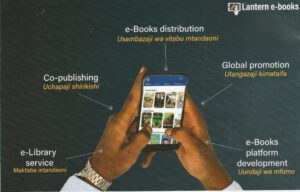
Digital access featured prominently throughout the fair. Platforms such as the TLSB digital library and Lantern E-Books illustrated practical, shared pathways for publishers to make content available online while safeguarding intellectual property and sustaining income. Conversations on Libraries of the Future further highlighted how emerging tools, including artificial intelligence, can support knowledge creation, preservation, and access when used thoughtfully. For Christian publishers, disengagement is not an option; wise engagement is essential, ensuring technology serves truth, clarity, and formation rather than confusion.
The fair also underscored the power of partnership. Literacy NGOs like Room to Read, copyright bodies such as the Copyright Society of Tanzania (COSOTA), and funding institutions including the Tanzania Culture and Arts Fund demonstrated how collaboration between publishers, writers, and libraries can strengthen reading culture, protect intellectual property, and support authorship. Ultimately, the message was clear: collaboration remains essential for reaching wider audiences and building a sustainable, flourishing book industry across the continent.
Africa Speaks stands precisely at this intersection. We exist to strengthen African Christian publishing by fostering collaboration, improving discoverability, promoting professional standards, and ensuring that faith-based content is not isolated from the wider industry.
Umoja ni nguvu. The future of Christian publishing in Africa will be built together.



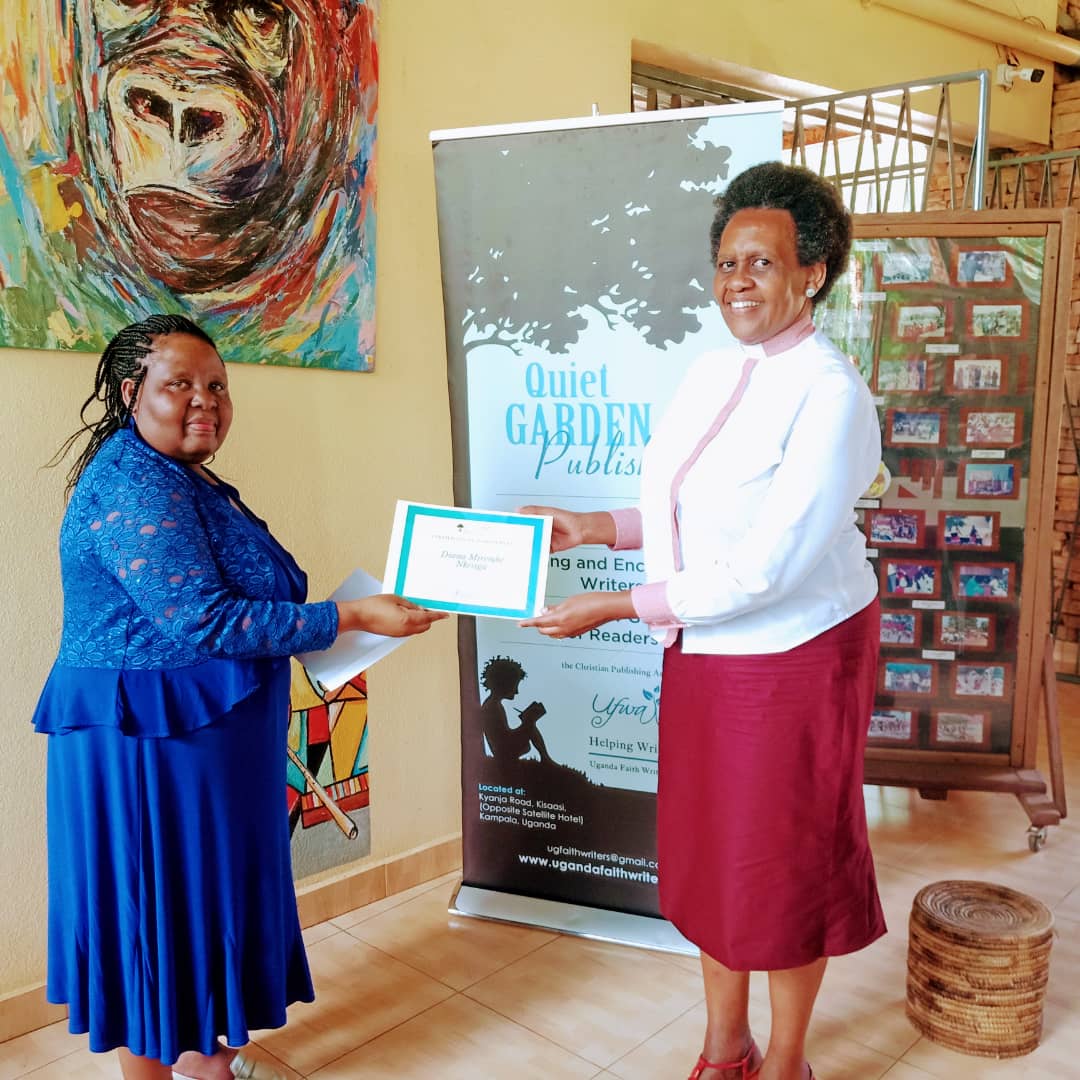 Rev. Diana Mirembe Nkesiga receiving her award